
Why Awareness Feels So Uncomfortable If you struggle with anxiety, you may already sense this truth:
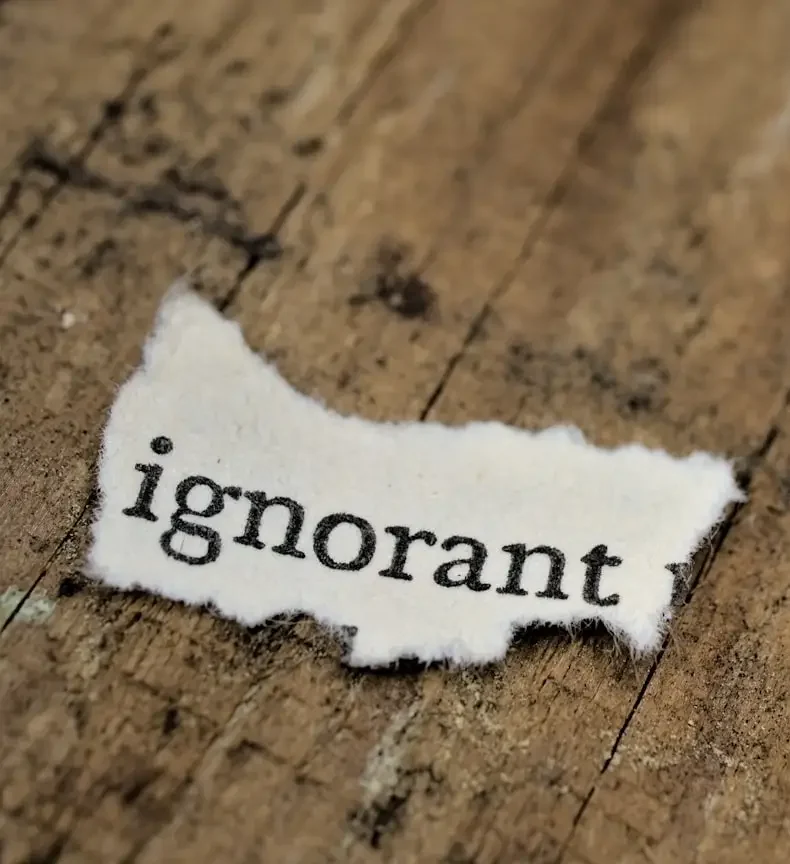
Awareness feels threatening while Ignorance feels peaceful. Not because ignorance is healthy — but because the mind is wired to protect you from discomfort.
In both modern psychology and the Patanjali Yoga Sutras, ignorance is not lack of intelligence. It is a coping strategy.
“Why awareness feels scary and ignorance feels blissful. Discover how emotional avoidance increases anxiety and how Yoga Sutras guide lasting clarity.“
Lets explore this in the context of the various research and knowledge that can be found in Psychology and Yoga


Modern clinical psychology confirms what yogis observed thousands of years ago
What Psychology Says About Emotional Avoidance
The mind avoids reality to reduce short-term discomfort.
1. Defense Mechanisms (Freud)
Denial, repression, rationalization — these are protective strategies. They reduce emotional overload. But over time, they create internal tension.
2. Cognitive Dissonance (Leon Festinger)
When reality conflicts with our identity or beliefs, the brain experiences stress. Instead of changing behavior, we often adjust perception.
Example:
Staying in a draining job but telling yourself “This is growth.” Avoiding a relationship conversation but saying “Timing isn’t right.” The nervous system learns avoidance. Anxiety increases.
3. Neuroscience of Avoidance
Avoiding emotional discomfort strengthens fear pathways in the brain. The amygdala interprets avoidance as confirmation of danger.
The result?
Increased anxiety sensitivity, Chronic stress, Emotional reactivity, Avoidance temporarily reduces discomfort.
Long-term, it amplifies it.
What does yoga says
The yogic term is Avidyā;-
Avidyā in the Yoga Sutras: The Root of Inner Conflict
In Yoga Sutra 2.5, Patanjali defines ignorance:
Mistaking the impermanent for permanent, the painful for pleasurable, the non-self for the self.
Ignorance is perceptual distortion. We cling to comfort, we resist change, we identify with roles instead of essence.
This misperception creates suffering.
Yoga is not about becoming spiritual. It is about seeing clearly.
How Ignorance Shows Up in Everyday Life
In Work
You normalize stress. You suppress burnout.
You tell yourself “This is what success requires.”
Years later — exhaustion, resentment, health decline.
In Relationships
You avoid difficult conversations.
You silence needs to maintain harmony.
Eventually — distance replaces intimacy.
In Personal Growth
You practice movement but avoid stillness.
You consume knowledge but avoid introspection.
This creates subtle internal fragmentation — often labeled as “anxiety without reason.”
Why Awareness Feels Scary
Awareness threatens identity.
Carl Jung wrote: “Until you make the unconscious conscious, it will direct your life and you will call it fate.”
Awareness asks you to:
Feel what you avoided
Admit misalignment
Take responsibility
Change patterns
For the anxious nervous system, this feels destabilizing.
But clarity is not dangerous.
Suppression is.
| What Clinical Psychology Recommends | The Yogic Path: From Ignorance to Inner Clarity |
| Acceptance & Commitment Therapy (ACT) Instead of fighting emotions, ACT teaches: Allow internal experience Take values-aligned action Awareness + values = growth. Trauma-Informed Therapy Unprocessed emotions remain in the body. Regulation and embodied awareness reduce anxiety. | Yoga Sutra 1.2 Yogaḥ citta-vṛtti-nirodhaḥ Yoga is the regulation of mental fluctuations. Not suppression. Regulation. Three Practical Yogic Tools 1. Svādhyāya (Self-Study) Observe your patterns without judgment. 2. Abhyāsa (Consistent Practice) Small daily awareness practices stabilize the mind. 3. Viveka (Discernment) Choose truth over comfort repeatedly. Awareness becomes less frightening when practiced gradually and compassionately |
Reflections
Ignorance may feel like peace. But it is fragile.
Awareness feels uncomfortable — but it is stable.
The path of yoga is not about avoiding darkness. It is about illuminating it gently.
And when awareness becomes embodied, anxiety begins to transform into clarity.